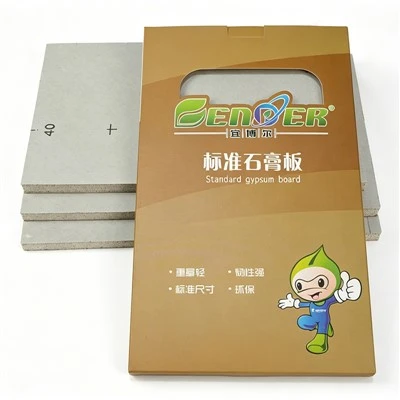
Common material classifications for gypsum board ceilings: When purchasing, consider key dimensions such as type matching, quality verification, performance suitability, and compliance checks to avoid inferior boards and ensure the ceiling remains crack-free and meets performance standards over long-term use.
When selecting gypsum board ceilings, consumers should pay attention to indicators such as fire resistance, sound insulation, and environmental performance. They should also choose products from reputable manufacturers to ensure reliable quality and comprehensive after-sales service. Furthermore, during installation, strictly follow construction specifications to ensure a stable and reliable keel system and tight, seamless joints between gypsum boards to fully utilize the performance advantages of the gypsum board ceiling.
Examine the appearance: The board surface should be flat and smooth, free of cracks, pores, and stains. The facing paper should be firmly adhered. After scoring with a knife, try peeling it off; high-quality boards will not have large areas of the facing paper peeled off, exposing the gypsum core.
Examine the core material: Cut open the board to examine the interior. High-quality gypsum board has a snow-white core material, indicating pure raw materials with few impurities. Products with yellowish or grayish core materials have more impurities and are prone to insufficient strength, yellowing, and staining later.
Weigh and listen: For the same specifications, a high-quality gypsum board will be lighter, indicating higher gypsum purity and fiber reinforcement. Tap the surface; a clear, solid sound indicates good density and quality, while a dull sound indicates a loose internal texture and a tendency to crack later.