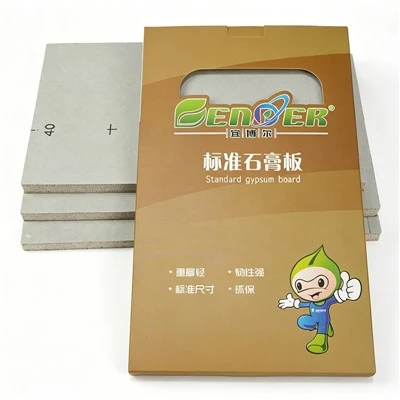
Indoor and outdoor gypsum wall panels differ significantly in their application within the construction industry, primarily in material properties, construction requirements, and application scenarios.
Weather Resistance:
Exterior gypsum wall panels require stronger weather resistance, resisting environmental factors such as ultraviolet radiation, rain, and temperature differences. For example, gypsum powder (exterior wall coating) produced by Jinan Haoyuan Chemical Co., Ltd., with the addition of waterproofing agents and UV-resistant components, is rated as "strong" in water resistance, making it suitable for long-term outdoor use.
Indoor gypsum wall panels prioritize environmental friendliness and ease of construction. High-strength gypsum powder (interior wall plastering coating) from Shijiazhuang Zeyao New Material Technology boasts a whiteness of 80% and a water retention rate of 87%, making it suitable for fine indoor plastering.
Strength and Adhesion:
Exterior gypsum wall panels typically require higher compressive and flexural strength. For instance, Tianjin Ouzhichen Decoration's GRG gypsum line has a flexural strength of 0.8 MPa, suitable for the load-bearing requirements of exterior wall designs.
Indoor gypsum wall panels emphasize adhesion and lightweight properties. Shanghai Shunyou Construction's lightweight plaster is labeled as having "strong adhesion" and is not prone to hollowing after construction.