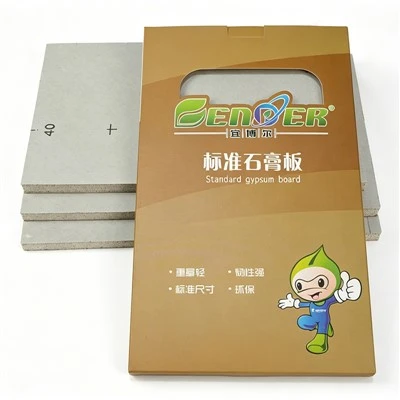
The preparation methods of gypsum wallboard vary depending on the product type (e.g., paper-faced gypsum board, fiber gypsum board, decorative gypsum board, etc.). The utilization of industrial by-product gypsum (such as desulfurized gypsum) is one of the development trends. Gypsum building materials are characterized by low production energy consumption, rapid setting and hardening, and rapid hardening and early strength, and also have recycling characteristics.
GRG (Glass Fiber Reinforced Gypsum Board) uses natural anhydrite (α-type hemihydrate gypsum) as the base material. Its preparation includes three key processes: calcination, grinding, and aging. Calcination involves dehydration at a high temperature of 160-180℃ to control the crystal growth rate. Grinding controls the fineness of the gypsum powder to 120-200 mesh to ensure uniform bonding with glass fibers. Aging requires standing for more than 28 days to eliminate internal stress. Simultaneously, alkali-resistant glass fibers are incorporated, with their content typically controlled at 6-7% to balance strength and processability. Functional additives such as retarders and waterproofing agents are added to enhance specific material properties.
One production process for fiber gypsum board involves crushing raw materials such as desulfurized gypsum from power plants, then subjecting them to high-temperature and high-pressure digestion in an autoclave to produce α-type gypsum slurry. This α-type gypsum slurry is then directly mixed with fiber materials and lightweight materials to form a castable mixture, which is then cast into shape. This process utilizes industrial by-product gypsum, achieving comprehensive resource utilization. The α-gypsum slurry can be used directly without dehydration, thus saving significant energy.